
The botanical hack: how the Amazon is rewriting the rules of fine dining in Equipetrol
The Amazonian pantry has moved from exoticism to competitive advantage. A read on the shift that Jardín de Asia and In Piazza are running on Santa Cruz's premium scene.
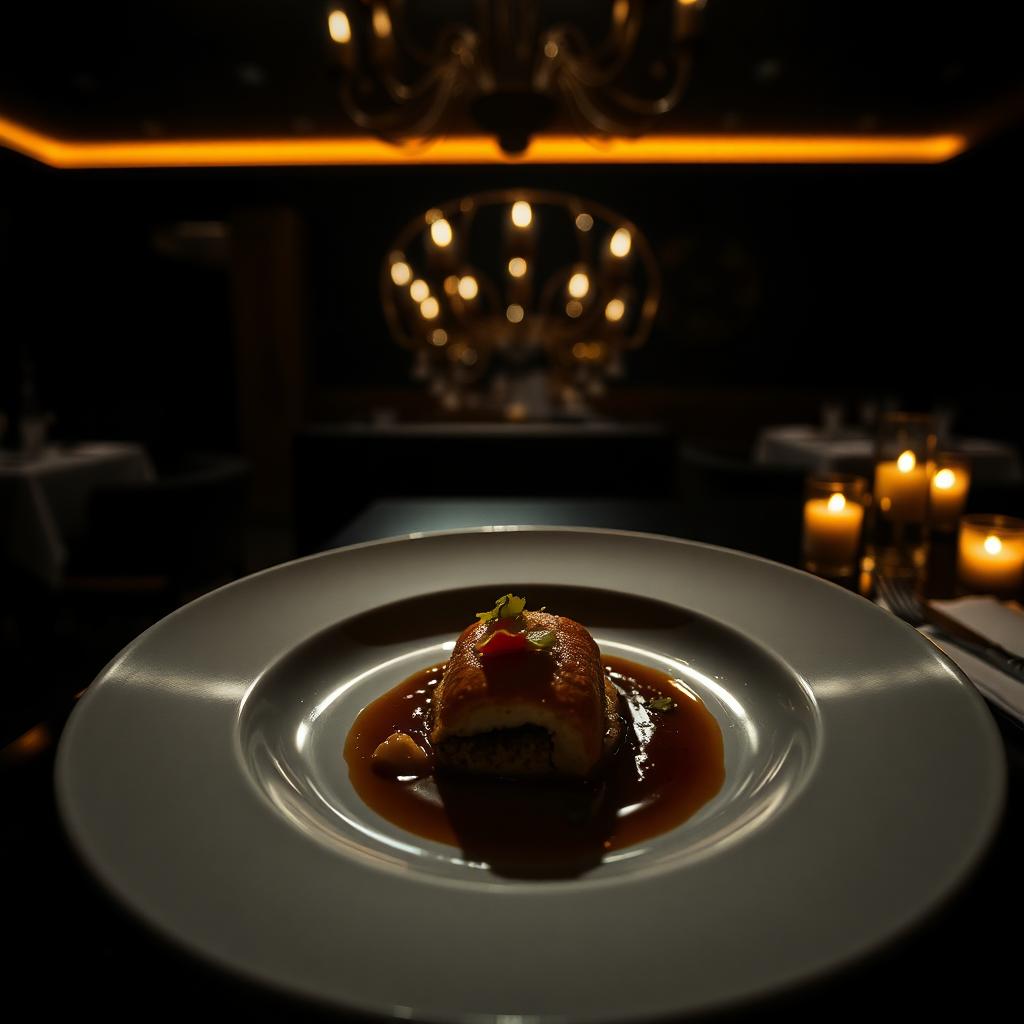
The botanical hack
For years, Santa Cruz''s fine-dining conversation pointed outward — Lima, San Sebastián, Copenhagen. The serious discussion is now happening inside, with ingredients the Bolivian Amazon has always offered and that the city is only just learning to read as gastronomic capital.
From jungle to pass
Copoazú, jipijapa, cusi, tucupí, majo, asaí. These are not garnishes: they are the base of a new fine-dining vocabulary. European technique plus native product handled with precision equals a proposition that, measured in corporate terms, is hard to copy.
Equipetrol as the lab
Jardín de Asia is the clearest example: author-driven Asian cooking that has, over the last cycles, allowed tucupí and Amazonian herbs into the center of the menu without abandoning omakase discipline. The dining room also operates as an informal Santa Cruz business club — the high ticket becomes distribution.
In Piazza runs the same play from the Italian side: an immaculate European cellar, plates that no longer ask permission to bring in local product. Classic positioning: keep the premium visual code, hack the content.
Why a CFO should care
None of this is a sensory topic — it is defensible differentiation. A restaurant that masters the logistics of one specific Amazonian ingredient raises a real barrier to entry. In Santa Cruz, where corporate tables fight over five or six names, that barrier is worth more than any campaign.
Next time you book a quarter-close dinner in Equipetrol, read the menu like a strategist, not a diner.